RADIO LAB PODCAST ON "WORTH"
The whole podcast on "Worth" was very interesting but, this part relates the most to our class so I'm just asking that you listen to this 24 minute segment.
http://www.radiolab.org/story/what-dollar-value-nature/
Article Homework;
This weekend try to find at least one article on how plants deal with human impacts on the environment. ( climate change, acid rain, general pollution, runoff...)
Your other article can be on anything else related to environmental science.
REMEMBER; Next week we start working with our scientist mentors from around the country/world so please be here, it will be nearly impossible to make-up these labs.
Friday, September 30, 2016
Thursday, September 29, 2016
APES homework for tonight
watch these and take notes
Integrated Pest Management
https://vimeo.com/channels/apesinabox/120329440
Bozeman: Environmental systems
http://www.bozemanscience.com/ap-es-002-environmental-systems
Integrated Pest Management
https://vimeo.com/channels/apesinabox/120329440
Bozeman: Environmental systems
http://www.bozemanscience.com/ap-es-002-environmental-systems

Saturday, September 24, 2016
AP Environmental ScienceTest Tuesday will cover a lot of material-here's a rough idea of what will be on the test
Hey,Remember you can create a mind map to use during the test but there are some rules:
1. You can only use a normal size piece of printer paper (or notebook paper if that's all you have).
2. You must have a central image and an image for each of the main branches and they should be colored.
3. You can only use one side of the paper.
IF YOU DON'T FOLLOW THESE GUIDELINES YOU WON'T BE ABLE TO USE IT DURING THE TEST.
Here is Hashim's mind map from the podcast if you need an example:
The one you make for the test will probably be a lot more densely packed than this one but his set-up was spot on! If you do a great job on one it could earn you extra credit on your test!
Here's a topic list of what you may be tested on:
Agriculture-anything from the power point- especially the soil horizons and sustainable agriculture methods
SOIL lab- anything you should have learned from the labs we did
Irrigation- info from the ppt as well as the video clip
Weather-convection, Hadley cells, el nino and la nina and wind patterns
A basic math problem- if you can't remember how to do long division or how to work with decimals wihen multiplying or how to put something in scientific notation then you should write out a sample problem on your mind map.
tectonic plate movement and volcanoes.
"A Fierce Green Fire"- love canal, environmental racism, creation of the EPA, etc
THE DEAD ZONE- Believe it or not everything you learned about soil, agriculture and irrigation play a role in the formation of the dead zone- It's a prime example of the interconnected nature of all systems and how complicated it can be to manage the biosphere!
1. You can only use a normal size piece of printer paper (or notebook paper if that's all you have).
2. You must have a central image and an image for each of the main branches and they should be colored.
3. You can only use one side of the paper.
IF YOU DON'T FOLLOW THESE GUIDELINES YOU WON'T BE ABLE TO USE IT DURING THE TEST.
Here is Hashim's mind map from the podcast if you need an example:
The one you make for the test will probably be a lot more densely packed than this one but his set-up was spot on! If you do a great job on one it could earn you extra credit on your test!
Here's a topic list of what you may be tested on:
Agriculture-anything from the power point- especially the soil horizons and sustainable agriculture methods
SOIL lab- anything you should have learned from the labs we did
Irrigation- info from the ppt as well as the video clip
Weather-convection, Hadley cells, el nino and la nina and wind patterns
A basic math problem- if you can't remember how to do long division or how to work with decimals wihen multiplying or how to put something in scientific notation then you should write out a sample problem on your mind map.
tectonic plate movement and volcanoes.
"A Fierce Green Fire"- love canal, environmental racism, creation of the EPA, etc
THE DEAD ZONE- Believe it or not everything you learned about soil, agriculture and irrigation play a role in the formation of the dead zone- It's a prime example of the interconnected nature of all systems and how complicated it can be to manage the biosphere!
Tuesday, September 20, 2016
Sub plan for 9-21-16
AP Environmental science - 2nd and 3rd block
Have them watch this and complete the handout- please collect the handouts afterwards.
Earth from space
https://www.youtube.com/watch?v=kpFryXQbVEA
Biology 4th block-
Please refer to the seating chart for attendance.
Have students watch this documentary and complete the handout that goes with it and collect them at the end.
Cracking the code of life
https://www.youtube.com/watch?v=_IgSDVD4QEc
Have them watch this and complete the handout- please collect the handouts afterwards.
Earth from space
https://www.youtube.com/watch?v=kpFryXQbVEA
Biology 4th block-
Please refer to the seating chart for attendance.
Have students watch this documentary and complete the handout that goes with it and collect them at the end.
Cracking the code of life
https://www.youtube.com/watch?v=_IgSDVD4QEc
APES homework for tonight
1.Listen to this podcast- http://www.radiolab.org/story/from-tree-to-shining-tree/
2.take notes
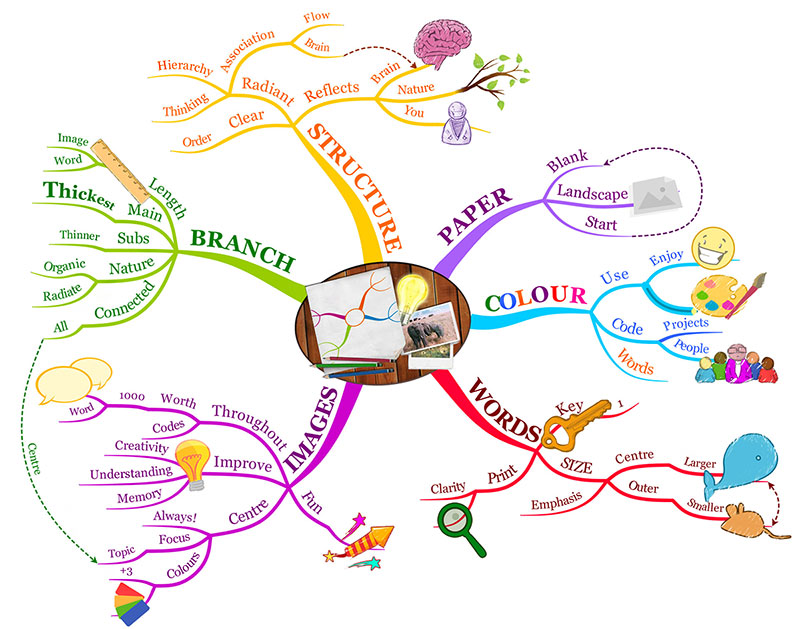
3. Draw out a central image (main idea of podcast) and make connecting branches to the information you learned - have it flow from the central image
mind mapping 101:
Guidelines

Saturday, September 17, 2016
Biology window panes due on Tuesday 9-20-16
I bumped your due date for this list to Tuesday 9-20-16
Remember to do all of them, color your drawing and do 4 per page.
1. Chloroplast- organelle found only in plant cells, it makes chemical energy (sugar/ glucose) using solar energy (sunlight) to combine water and carbon dioxide.
2. Mitochondrion (singular) - responsible for breaking down sugar (glucose from plants) into a more usable form (ATP) for our cells. Found in animal cells and plant cells. Cells that do more work have more mitochondria in their cells (muscle cells and sperm cells have the most!).
3. Centrioles- organelles found only in animal cells that are only active during cell division (mitosis) where their job is to make sure that duplicated DNA strands get pulled apart evenly.
4. Ribosomes- found in plant and animal cells, they are responsible for building proteins and enzymes in a cell by using instructions they receive from the DNA via an RNA strand.
5.Nucleus- the control center for the cell, it contains the DNA instructions used to make every part of your body, your DNA NEVER,NEVER, NEVER leaves the nucleus!!
6.Cell wall- found only in plants, it provides structure and support to plant cells.
7.Cell or plasma membrane- found in plant and animal cells, it controls the movement of all substances in and out of the cell. SUPER IMPORTANT!
8.Cytoplasm- gel-like substance that all of the organelles are suspended in, it provides a medium for nutrient exchange as well as a cushion for the organelles.
9. Active transport- transport of a substance across the cell membrane that requires energy!! When something moves from where there is less of a it t0 where there is more of it. This usually takes work. Imagine you are trying to push the last little bit of a sleeping bag into it's case.
10. diffusion or passive transport- transport of a substance across a cell membrane, this type does not require energy because the substance is usually small, like oxygen, and moving from where there is more of it to where there is less of it (with the concentration gradient). imagine a ball rolling drown a hill - from where it is highest to where it is lowest- no energy needed.
11. facilitated diffusion- this is a lot like passive transport in that it doesn't require energy. It does however require a door called a protein channel. this is because the substances are usually large, like a sugar molecule. These substances move with the concentration gradient (high to low) as well.
12. Osmosis (or diffusion of water)- is the movement of water (only water) across a cell membrane- this works with the concentration gradient as well, moving from where there is more water to where there is less. It does not require energy! ** note- water usually follows salt! If you've ever eaten too much salty popcorn at the movies you may have noticed that your hands get puffy. Your cells are soaking up fluids to balance out the salt in your cells. this is an example of how your body carries out homeostasis.
13. Fluid mosaic model- this refers to the way your cell membrane is made, it is made up of two floating layers composed of proteins and lipids. the membrane is constantly moving which allows substances to glide through it. the lipid layers insure that the water level in your cells is controlled- the inside lipid (fat)Layer holds the water in, the outside lipid (fat) layer keeps water out. the protein channels are like tunnels that take substances from one side of the cell all the way across both layers to the other side of the cell.
14. Eukaryotic cells- have membrane organelles, in particular a nucleus that holds its DNA. Animals, Plants, Fungi and Protists are made of these types of cells. They are thought to be a symbiotic relationship between cells that were once prokaryotic.
15.Prokaryotic cells- Don not have membrane bound organelles. They have DNA, but it is not kept inside of a nucleus, it is in the shape of a plasmid (circular) that floats around in the cell. ONLY BACTERIA are Prokaryotic
16. Euglena- a photosynthetic organism that lives in water. It has Chloroplasts and other organelles and is a unicellular (one celled) organisms made of cells like us- Eukaryotic! (It is a protist)
17. Paramecium- a one celled organism (protist) that swims (it also lives in water) using its cilia. It eats other organisms to survive.
18. Contractile vacuole- organelle in protists that helps them maintain proper water balance by helping to pump out excess water. They need this since they live in the water.
19. Plasmid- a circular strand of DNA found in bacteria.
20. Golgi body- organelle responsible for packaging substances made or excreted by your cells.
Remember to do all of them, color your drawing and do 4 per page.
1. Chloroplast- organelle found only in plant cells, it makes chemical energy (sugar/ glucose) using solar energy (sunlight) to combine water and carbon dioxide.
2. Mitochondrion (singular) - responsible for breaking down sugar (glucose from plants) into a more usable form (ATP) for our cells. Found in animal cells and plant cells. Cells that do more work have more mitochondria in their cells (muscle cells and sperm cells have the most!).
3. Centrioles- organelles found only in animal cells that are only active during cell division (mitosis) where their job is to make sure that duplicated DNA strands get pulled apart evenly.
4. Ribosomes- found in plant and animal cells, they are responsible for building proteins and enzymes in a cell by using instructions they receive from the DNA via an RNA strand.
5.Nucleus- the control center for the cell, it contains the DNA instructions used to make every part of your body, your DNA NEVER,NEVER, NEVER leaves the nucleus!!
6.Cell wall- found only in plants, it provides structure and support to plant cells.
7.Cell or plasma membrane- found in plant and animal cells, it controls the movement of all substances in and out of the cell. SUPER IMPORTANT!
8.Cytoplasm- gel-like substance that all of the organelles are suspended in, it provides a medium for nutrient exchange as well as a cushion for the organelles.
9. Active transport- transport of a substance across the cell membrane that requires energy!! When something moves from where there is less of a it t0 where there is more of it. This usually takes work. Imagine you are trying to push the last little bit of a sleeping bag into it's case.
10. diffusion or passive transport- transport of a substance across a cell membrane, this type does not require energy because the substance is usually small, like oxygen, and moving from where there is more of it to where there is less of it (with the concentration gradient). imagine a ball rolling drown a hill - from where it is highest to where it is lowest- no energy needed.
11. facilitated diffusion- this is a lot like passive transport in that it doesn't require energy. It does however require a door called a protein channel. this is because the substances are usually large, like a sugar molecule. These substances move with the concentration gradient (high to low) as well.
12. Osmosis (or diffusion of water)- is the movement of water (only water) across a cell membrane- this works with the concentration gradient as well, moving from where there is more water to where there is less. It does not require energy! ** note- water usually follows salt! If you've ever eaten too much salty popcorn at the movies you may have noticed that your hands get puffy. Your cells are soaking up fluids to balance out the salt in your cells. this is an example of how your body carries out homeostasis.
13. Fluid mosaic model- this refers to the way your cell membrane is made, it is made up of two floating layers composed of proteins and lipids. the membrane is constantly moving which allows substances to glide through it. the lipid layers insure that the water level in your cells is controlled- the inside lipid (fat)Layer holds the water in, the outside lipid (fat) layer keeps water out. the protein channels are like tunnels that take substances from one side of the cell all the way across both layers to the other side of the cell.
14. Eukaryotic cells- have membrane organelles, in particular a nucleus that holds its DNA. Animals, Plants, Fungi and Protists are made of these types of cells. They are thought to be a symbiotic relationship between cells that were once prokaryotic.
15.Prokaryotic cells- Don not have membrane bound organelles. They have DNA, but it is not kept inside of a nucleus, it is in the shape of a plasmid (circular) that floats around in the cell. ONLY BACTERIA are Prokaryotic
16. Euglena- a photosynthetic organism that lives in water. It has Chloroplasts and other organelles and is a unicellular (one celled) organisms made of cells like us- Eukaryotic! (It is a protist)
17. Paramecium- a one celled organism (protist) that swims (it also lives in water) using its cilia. It eats other organisms to survive.
18. Contractile vacuole- organelle in protists that helps them maintain proper water balance by helping to pump out excess water. They need this since they live in the water.
19. Plasmid- a circular strand of DNA found in bacteria.
20. Golgi body- organelle responsible for packaging substances made or excreted by your cells.
Friday, September 16, 2016
APES homework for the weekend
Homework: listen to podcast ( you will be quizzed) and do your two articles- one on agriculture or irrigation methods.
Living on Earth Podcast from 9-9-16
http://www.loe.org/shows/shows.html?programID=16-P13-00037
Subscribe to:
Comments (Atom)